

How To Travel To World Cup Canada to US
The 2026 FIFA World Cup makes history as the first tournament to cut across three nations. For U.S.-based fans, it’s a perfect opportunity for a cross-border trip. Trailways will take you to the border, then connect to major Canadian cities without the stress of expensive car rentals or international flights.
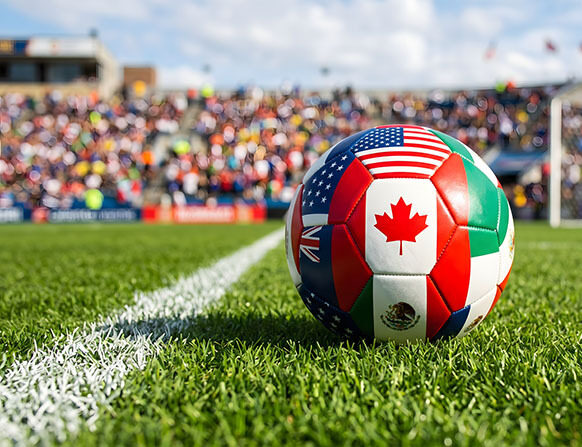
The 2026 FIFA World Cup makes history as the first tournament to cut across three nations. While most matches and much of the action remain in U.S venues, Canada will host some critical matches in two of its most iconic, prestigious cities.
For U.S.-based fans, it’s a perfect opportunity for a cross-border road trip. For anyone looking to travel to the World Cup 2026 in Canada from the U.S., a bus is the most practical, cost-effective option. Trailways will take you to the border, then connect to major Canadian cities without the stress of expensive car rentals or international flights.
For fans who want to avoid the high costs of event-day parking, bus travel is the preferred mode of transport. You’ll enjoy a scenic view of the rolling hills of the Northeast and the lush forests of the Pacific Northwest without the hassle of travel logistics. Plus, with so many fans traveling at the same time, the roads will definitely be crowded. Let a professional driver handle your travel logistics as you enjoy the scenery. It’s the most sensible option for U.S. fans traveling to Canada.

Canada’s World Cup 2026 Host Cities
Canada has two major hubs where games will be hosted. Each offers unique travel challenges, especially for those traveling from the U.S. It’s important to understand the geography and dynamics of these two cities to determine the best entry point for U.S.-based fans.
Toronto Stadium at Exhibition Place (BMO Field)
BMO Field is one of the major stadiums where big matches will be played. Toronto has always been the heart of soccer in Canada. The Toronto Stadium’s location near the downtown core makes it easily accessible from major transportation hubs.
Matches in Toronto are scheduled to start on June 12, 2026, with the Canadian Men’s National Team playing at home. Many U.S. fans will find Toronto an ideal destination due to its proximity to the Northeast. For those coming from cities like Buffalo, Boston, or New York, World Cup 2026 travel to Toronto is easy.
Toronto is scheduled to host six matches on July 2, including five group-stage matches and one round-of-32 match. Given the city’s reputation as a melting pot of cultures, fans traveling from abroad can expect a wonderful experience. The local fans are known for being energetic and never disappoint, plus access to the stadium from the Union Station Bus Terminal is straightforward since it’s a major stop for cross-border routes.
Toronto also boasts a massive transit network. You can jump on the GO Train or the TTC streetcars to navigate the city once your bus arrives at the central station. What’s more, Exhibition Place features a vast transport network, making movement a breeze. You can even stay in a location further out and still make it to the kickoff on time.
BC Place Vancouver
Vancouver offers an excellent backdrop for the West Coast tournament, and travel to World Cup 2026 in Vancouver is straightforward.
BC Place in Vancouver will host seven matches, including two matches for the Canadian national team in the group stages scheduled for June 18 and June 24. The scheduled matches also include a round of 32 match and a round of 16 match planned for July 7. For fans in Seattle and Portland, as well as the rest of the Pacific Northwest, Vancouver is a relatively short trip.
BC Place in Vancouver is famous for its central location and retractable roof, and access to the stadium from the downtown area is easy. The city is also walkable and boasts excellent transit. Once you’re dropped off at the bus terminal, you only need a few minutes to get to the stadium. On matchdays, Vancouver will be turned into a sea of red and white. However, international crowds will also bring a range of colors.
What to Know Before Crossing the Border
Any international travel requires more than just a ticket. While crossing the border by bus is easy, you must have your paperwork to avoid delays. With appropriate documents, you can easily reach your destination and rest before the matchday. Here are some essential items you should have before getting to the border.
Essential Identification and Visas
U.S. citizens must have a valid passport or a passport card to enter Canada. Some states also offer enhanced driver’s licenses that are acceptable for land crossing. For U.S. fans staying in Canada, confirm whether you need a visitor’s visa or an Electronic Travel Authorization (ETA) to enter Canada.
Border officers expect all travelers to have their documents ready at the entry point. Failure to present the correct ID can result in denial of boarding at the bus station, causing unnecessary delays. Also, confirm the expiration dates for your documents in advance to avoid delays and inconveniences. Most countries, including Canada, require your documents to be valid for at least six months before the travel date, so check that as well.
The Buffer Strategy for International Trips
Border clearance and waiting times are unpredictable during major events like the World Cup 2026. With that in mind:
- Be sure to plan appropriately.
- Pick a departure time that gets to the border at least five or six hours early.
- Don’t travel a few hours before the match.
Without planning, you’ll get to the stadium as the final whistle blows, especially if you’re crossing the border on game day. With a five or six-hour buffer, you get plenty of time to clear with customs officials and handle your local transit arrangements to the host city.
Mobile Data and Connectivity
When traveling across the border, make sure you have international data so you can access the internet after crossing. FIFA 2026 tickets are entirely digital, and you can’t rely on a screenshot since the QR code keeps refreshing. Your phone should have an active internet connection to get access to the stadium.
Border stations also rely on digital verification. Staying connected will make your trip smooth.
In case you don’t have international data, you could explore the option of buying an eSIM for your time in Canada.
Planning Long-Distance Bus Travel
Taking a bus to the World Cup 2026 in Canada requires coordination, especially between different carriers. Trailways makes this process easy by offering a network that connects the border points to major U.S. cities.
Using Trailways Schedules for Cross-Border Trips
We recommend using the Trailways website when planning your route. You can easily find connections to Northern hubs like Detroit, Buffalo, or Seattle.
From these Northern hubs, you can easily find connections to Canadian bus services heading to Vancouver or Toronto. However, you should check the schedules early because demand will surge during the tournament weeks in June and July.
Itinerary Planning for Multi-City Travelers
Traveling from the U.S. to Canada requires a clear itinerary, so plan your trip in stages.
For instance, for a Toronto trip, you could take a bus to Buffalo, then catch a connection to the Peace Bridge. If you’re headed to Vancouver, the best and most direct route is out of Seattle. Planning carefully ensures you avoid getting stuck at the terminals for hours waiting for your connection.
Chartering for Large Groups and Fan Clubs
For those traveling in groups or with family members, chartering a bus might be the ideal option. Charter buses offer greater control over departure times and routes than other options. You can even arrange for a pick-up from your home and head to the Canadian border effortlessly. This way, your group or family sticks together, ensuring everyone arrives at the stadium at the same time. Private charters also provide more space for your gear and a comfortable social atmosphere.
Navigating Canadian Stadium Logistics
The stadiums in Vancouver and Toronto will adhere to strict protocols for the World Cup. These rules are, in most cases, different from those of standard professional sports. So be sure to stay informed.
Stadium Bag Policies
Expect a stricter clear-bag policy at all the venues. Small clutches are always allowed, but anything large should be transparent. Vancouver’s BC Place often insists on a “no bag” policy for major events. However, they may offer bag-check services at specific gates for a fee. If you’re arriving in the city by bus and heading straight to the stadium, get luggage storage at the bus station terminal.
Cashless Venue Systems
Most Canadian stadiums use a cashless model. You’ll need a credit card or mobile payment option for food, drinks, and merchandise. If you’re using U.S. cards, confirm with your bank about foreign transaction fees. Using a card with no fees can save you a significant amount during the tournament period.
Accessibility and Special Requests
Both Vancouver and Toronto venues are accessible. For fans with mobility needs, check the stadium websites for more information on accessible seating and shuttle services. Some transport options, such as the GO Train in Toronto, might require prior notice for specific assistance.
Fan Zones and City Festivals
You don’t need to have a ticket for every match. The host cities will have FIFA Fan Festivals. They’re large public viewing areas with big screens, food, and entertainment, so fans can catch various matches without having to go to the stadium.
Toronto Fan Festival at Fort York
Fort York National Historic Site and The Bentway will be Toronto’s main festival zone. The area is close to the stadium and will host many fans. General admission is typically free, but you need to book tickets in advance online. The site will boast dozens of food vendors serving international delicacies.
Vancouver Fan Festival at PNE Hastings Park
In Vancouver, the celebrations will take place at the Pacific National Exhibition (PNE) grounds. A new 10,000-person amphitheater will act as the hub for match screenings and live music. The park’s setting makes it a great spot for families to enjoy World Cup atmosphere without the need to be inside the stadium.
Timing Strategies for the Group Stage
The group stage is the busiest segment of the tournament. With multiple matches happening every day, the strain on the transport network will be huge.
Early Morning Departures
If you want to catch an afternoon match, take the earliest bus. Morning departures are often less prone to delays than those later in the day. Arriving in the host city early also gives you a chance to enjoy the local pre-match atmosphere.
Late Night Returns and Overnight Stays
If you’re catching the late-night matches, consider staying overnight in the host city or booking a late-night return bus. Trying to rush from the stadium to the bus station just after the final whistle can be stressful. Give yourself at least two hours after the match ends before your bus is scheduled to depart.
What to Check Before Departure
Before departure, ensure you have everything you need for the trip to avoid inconveniences. A successful trip starts long before you board the bus. Use this checklist to stay organized:
- Verify Fare Rules: You need to know the difference between Flex fare and Saver fare. Only the Flex fare allows fee-free changes or cancellations. A Saver fare requires a $20.00 rescheduling fee. If your match schedule changes, having a Flex fare can save you money and stress.
- Find Your Station: Confirm the exact location of your departure station. Some cities have multiple bus stations, so you should confirm carefully to avoid ending up at the wrong one.
- Tag Your Bags: Every bag should have a tag with your name and address. Trailways allows one free checked bag up to 50 pounds and one carry-on. If you have extra gear, prepare for an additional fee per bag.
- Declare Your Goods: When crossing into Canada, you must declare any gifts, alcohol, or large amounts of currency. Keep your receipts handy for U.S. purchases made before you cross the border.
- Pack for the Stadium: Most World Cup venues require clear bags. Pack your essentials in a clear tote bag and keep your valuables in your carry-on bag on the bus.
Understanding Fare Types and Flexibility
The World Cup schedule can be confusing. If your team advances, you might need to change your travel plans at the last minute. This is why you need to understand your ticket type.
Saver Fares for Budget Travel
Saver fares are the most affordable options and are great if your plans are set in stone. However, if you need to move your trip to a different day or change your travel arrangements, you will pay a $20.00 change fee. During a huge event like the World Cup, seats on other buses might be limited, so changes are subject to availability.
Flex Fares for Maximum Adaptability
For a tournament where results determine your next destination, Flex fares are the ideal choice. The tickets allow you to cancel or reschedule without paying a fee. This flexibility is an advantage for fans who want to follow their team through the knockout rounds.
Safety and Onboard Comfort
Long-distance bus travel is a great way to save money, but comfort is key for a multi-hour trip across the border.
Onboard Amenities and Tech
Modern buses come with Wi-Fi and power outlets at every seat. This lets you keep your phone charged and stay updated on match results across the tournament. Most buses also have climate control and onboard restrooms, making long stretches on the highway a bit more comfortable.
Health and Wellness on the Road
It’s advisable to stay hydrated and bring snacks for the road. While buses often make stops at travel centers, having your own water and healthy snacks keeps you energized. Also, wear comfortable clothing and layers, as the bus temperature can vary.
Exploring the Host Cities Beyond the Stadium
Crossing the border for the World Cup is about more than just the 90 minutes of the match. It’s an opportunity to visit a neighboring country and join a global community of fans. Toronto and Vancouver are world-class cities with incredible parks, food, and culture.
While in Toronto, take time to explore the St. Lawrence Market or the Distillery District. Both are famous for their historic architecture and amazing food. In Vancouver, a visit to Stanley Park also gives a break from the urban crowds. The Pacific Ocean borders the park, offering incredible views of the mountains.
Matches are happening all across North America from Canada down to Mexico. Looking for another host city? Check out our travel guide to the World Cup in 2026 for any destination in North America.
Support and Assistance for Travelers
Traveling to the World Cup 2026 in Canada by bus will make memories you’ll never forget.
If you have questions about your route or need help with a booking, the Trailways Care Center is available from 7 a.m. to 10 p.m. every day. You can also reach out via the website’s contact form to speak with ticket agents about international routes.
Service personnel can clarify which stations are best for your destination and provide updates on schedule changes. Early planning helps you stay ahead of the crowds. By choosing your transit now, you can focus on the game and the excitement of the first three-nation World Cup. Whether you’re heading to the stadium in Toronto or the pitch in Vancouver, the journey is part of the adventure. Book your tickets to Toronto or Vancouver today.